Dahab Snorkeling: The Best Spots and How to Reach Them
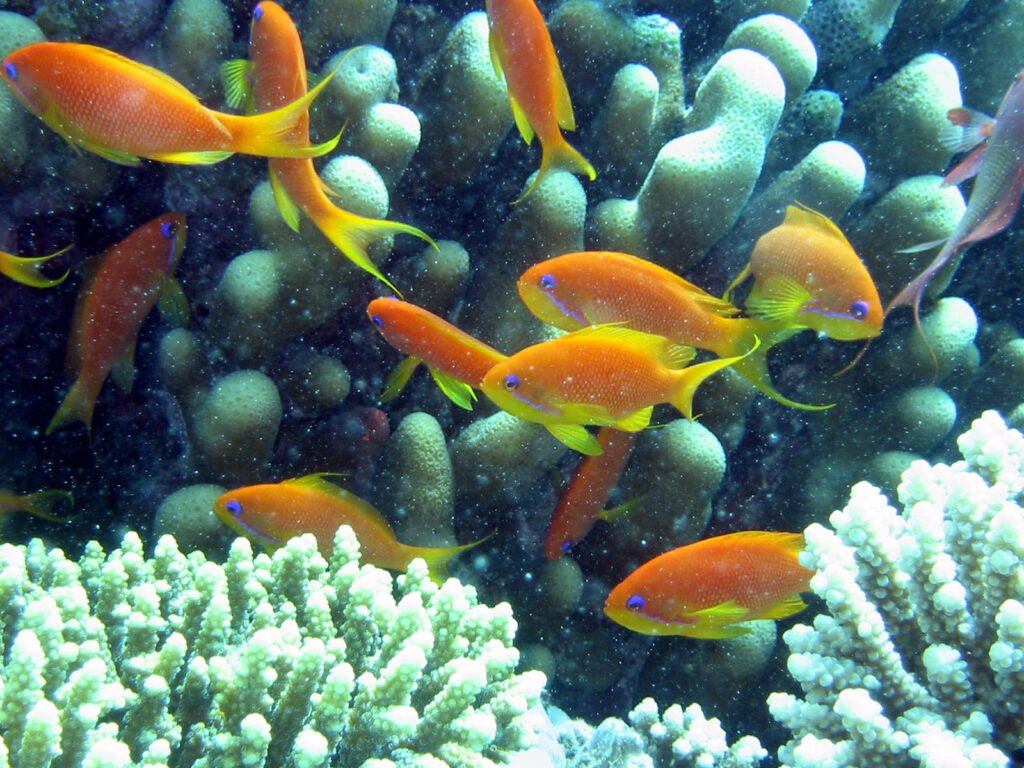
Dahab snorkeling is mostly shore snorkeling. At most spots the reef starts a few metres from the beach, so you walk in with a mask and fins and need no boat. The spots most people use are the Lighthouse and Eel Garden in town, the Blue Hole and the Canyon to the north, and Three Pools, Moray Garden and Golden Blocks to the south. This guide covers each one: how to get in, what the water is usually like, and who it suits.
If you want the transport sorted, two day trips cover the best-known reefs. The Blue Hole, Abu Galum and Blue Lagoon trip starts with snorkelling on the Blue Hole reef wall, and the Three Pools and beach buggy trip starts with snorkelling at Three Pools. On each trip page you can check the time, what’s included and the current price, and book there on WhatsApp.
Dahab snorkeling spots at a glance
The coast around Dahab runs roughly north to south. Town sits in the middle, the Blue Hole and Abu Galum are to the north, and the quieter southern reefs are a short drive south of town. Here is a quick overview before the details.
| Spot | Area | How you get in | Suits | Main thing to know |
|---|---|---|---|---|
| Lighthouse | Town (Assala end of the promenade) | Walk in from the shore | All levels, first-timers | Busy, shallow reef plate, easy access |
| Eel Garden | Town, north of the Lighthouse | Swim over a shallow coral bed | Confident swimmers | Calm days only; watch for sea urchins |
| The Islands | South of the Lighthouse, towards the Lagoon | From the shore | Calm-water snorkellers | Coral pinnacles; best at high tide |
| Blue Hole and Bells | North, about 10 km from town | From the beach; Bells is a short walk north | Snorkellers who stay on the reef wall | Very deep water inside the hole; protectorate ticket paid on site |
| The Canyon | North, between town and the Blue Hole | Through a sandy lagoon | Snorkellers on the shallow reef only | A dive site first; the canyon itself is too deep |
| Ras Abu Galum | North of the Blue Hole, no road | Boat, shore trail or camel | People who want quiet reefs | Protected area; bring what you need |
| Three Pools | South of town | Walk in through shallow lagoons | Beginners in calm weather | Group entry ticket paid on site |
| Moray Garden and Golden Blocks | South, next to Three Pools | From the shore | Calm-sea snorkellers | Visibility drops on windy days |
| Boat snorkelling | Along the coast | From the yacht | Families, groups, mixed abilities | The captain picks spots by wind and sea |
How the reefs in Dahab work
Dahab sits on the Gulf of Aqaba, and most of its reefs are fringing reefs that grow along the shore. Near the beach there is usually a shallow reef plate or lagoon, and further out the reef drops away into deeper blue water. Snorkellers spend their time along the edge where the shallow reef meets the drop, because that is where the coral and fish are.
This layout is why Dahab snorkeling is so easy to do on your own. You do not need a boat to reach good coral at most spots. It also means you need to know where the entry and exit points are, because the reef plate can be very shallow at low tide and you do not want to crawl over coral to get back to the beach.
Two things shape conditions more than anything else: wind and current. The wind in Dahab usually comes from the north or northwest, and it blows on most days for much of the year. At the Blue Hole the usual current runs from north to south along the reef. We cover both in more detail in the safety section below.
Snorkeling in town: Lighthouse, Eel Garden and the Islands
These three spots are within reach of the main promenade, so you can snorkel them on a free afternoon without booking anything. They are also the spots where you are most likely to share the water with divers, dive students and other snorkellers.
Lighthouse reef Dahab
The Lighthouse is the spot most people try first. It sits on a small headland at the northern end of the main promenade, towards Assala, and despite the name there is no working lighthouse to look for. Dive centres cluster around it, so ask anyone on the promenade and they will point you to the entry.
The fringing reef along this stretch has a shallow plate that works for snorkellers of all levels, beginners included. You walk in from the shore and follow the reef edge. Common sightings include parrotfish, lionfish, groupers and bream, and turtles and blue-spotted rays are sometimes seen here too.
Deeper down, at around 20 to 25 metres, there is an underwater museum with statues. That depth is for divers and trained freedivers only, so as a snorkeller you will see the reef edge, not the statues. Expect it to be busy, especially in the morning when dive groups go in.
Eel Garden Dahab
Eel Garden is a short walk north of the Lighthouse, in the Masbat area, and is signposted from the promenade. It is named after the garden eels that live in the sandy bottom and stick up out of their burrows like grass. Approach slowly and they stay out; move fast and they disappear back into the sand.
To reach the site you swim out over a shallow coral bed, and there are sea urchins in the shallows, so watch your hands and feet. Snorkel it only on calm days: currents here can be risky when the wind is up, and the entry is not a good place for weak swimmers. Early morning or late afternoon gives good light for photos.
If you follow the reef along the shore from Eel Garden, it continues towards the Lighthouse. Stay close to the reef and keep an eye on where you plan to get out.
The Islands
The Islands is south of the Lighthouse, towards the Lagoon, and the entry has its own sign on the shore. The reef here is made of large coral pinnacles with sandy valleys and small lagoons between them. It is usually quieter than the Lighthouse, and you can see healthy coral, reef fish, moray eels and sometimes turtles.
The site is best at high tide, when there is more water over the shallow coral and it is easier to move between the pinnacles without touching anything. At low tide, stay in the deeper channels or come back later.
North of town: Blue Hole, Bells and the Canyon
The road north of town follows the coast past several reef sites and ends north of the Blue Hole. These spots are too far to walk, so you need a taxi or a trip with transfers.
Blue Hole and Bells
The Blue Hole is about 10 km north of town. It is a sinkhole in the reef more than 100 metres deep, and the reef wall starts a few metres from the shore, so snorkelling needs no boat. Deep diving inside the hole goes beyond recreational limits; snorkelling and normal dives stay on the outer reef, where the coral and fish are anyway.
There are several ways into the water. You can enter from the beach right next to the hole, or walk a short way north to the Bells, a narrow opening in the reef. Because the usual current runs from north to south, many snorkellers enter at the Bells and drift south along the reef wall towards the Blue Hole, crossing a shallow section of reef at its mouth called the Saddle. Ask on the day how the current is running before you choose.
On the wall you can see shoals of surgeonfish and butterflyfish, Red Sea bannerfish, anemonefish and plenty of small fish around the coral at the Saddle. The rule is simple: follow the reef, stay near the surface, and do not swim out over the deep water in the middle of the hole if you are not comfortable.
Entry to the Blue Hole area is a protectorate ticket paid on site in cash. Check the current amount before you go. For entry points, depth, safety and timing in detail, read our Blue Hole snorkeling guide. If you want a guide, transfers and a mask included, the Blue Hole and Abu Galum day trip runs 9:00 to 17:00; check the time, what’s included and the current price on the trip page and book there on WhatsApp.
The Canyon: a dive site more than a snorkel site
The Canyon is about 1.5 km south of the Blue Hole. It is named after a narrow canyon in the reef that divers explore at around 14 to 22 metres, which is deeper than snorkellers can safely reach. So be clear about what you are getting: this is a dive site first.
That said, you get in through a sandy lagoon, and the shallow reef around it is pleasant to snorkel. You may see anemonefish, butterflyfish, crocodilefish, lionfish, octopus and blue-spotted rays. If you are already up north, it is a good second stop. If you only have time for one spot in the north, the Blue Hole reef wall is the better snorkel.
Ras Abu Galum and the Blue Lagoon reefs
North of the Blue Hole the road ends. Ras Abu Galum is a protected area with Bedouin settlements and quiet reefs, reached by boat, or on foot or by camel along the shore trail. Because fewer people come here, the reefs see less traffic than those in town.
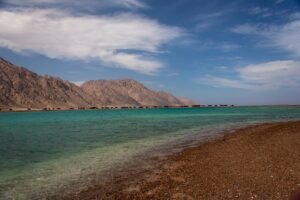
The lagoon in front of the settlement is shallow, and the better coral is often along the coast away from the beach. Ask locally where to get in and out before you swim. The Blue Lagoon itself is a shallow bay with white sand and turquoise water, which is better for a swim and a rest than for coral.
Our guide to Blue Lagoon Dahab and Ras Abu Galum covers the three ways in and what to bring. On the Blue Hole and Abu Galum trip, a zodiac takes you north from the Blue Hole area along the coast, so you can snorkel the Blue Hole in the morning and reach Abu Galum without the long walk.
South of Dahab: Three Pools, Moray Garden and Golden Blocks
The southern reefs are a short drive south of town, near the resort hotels on that stretch of coast. Three sites sit close together here, and they are known for calm, shallow water on good days. Taxis are harder to find down here than in town, which is one reason many people go on an organised trip.
Three Pools Dahab
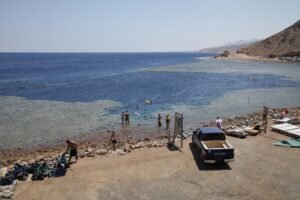
Three Pools gets its name from shallow lagoons inside the reef. The water inside is calm and the coral is close to the shore, which makes it a good place for beginners and families in calm weather. Further out, the reef slopes down and then drops off, and that edge is where confident snorkellers will spend most of their time.
Entry at Three Pools is a group ticket paid on site. Check the current amount before you go.
The Three Pools snorkelling and beach buggy trip runs 11:00 to 17:00: you snorkel Three Pools first, then drive your own beach buggy across the desert to the palm oasis at Wadi Gnai. Check the time, what’s included and the current price on the trip page, and book there on WhatsApp. Bring a scarf or buff for the dust on the buggy section.
Moray Garden
Moray Garden is just north of Three Pools along the shore. It is a shallow sandy plateau with coral heads, and it suits snorkellers who like to look closely. Besides reef fish, there are small creatures such as nudibranchs if you take your time.
Golden Blocks
Golden Blocks is a little further north again. It has coral pinnacles rising from a sandy bottom, with sandy patches between them. Like the other southern sites, it is at its best when the sea is completely calm. On windy days the water gets churned up, visibility drops and only the shallow parts are comfortable.
Snorkeling from a boat
Shore snorkelling covers most of what Dahab has, but a boat day is easier for mixed groups, families with children and anyone who does not want to deal with reef entries. You get in and out from the boat, and there is shade and lunch on board.
Full-Day Yacht
The Full-Day Yacht on the Red Sea runs 8:30 to 16:00 with snorkelling and swimming stops along the coast and lunch on board. Hotel transfers, lunch and soft drinks are included.
The captain picks the snorkel spots on the day based on wind and sea, so you go where conditions are best rather than to a fixed list. The whole yacht can also be booked privately. Check the time, what’s included and the current price on the trip page and book there on WhatsApp.
All-in-One day
The Dahab All-in-One day runs 6:00 to 19:00 on Mondays and Fridays only. It starts in the desert with a quad bike, camel ride and Bedouin tea, then moves to the sea: banana boat, glass-bottom boat, and a yacht cruise with snorkelling and lunch.
Goggles and a life vest are included. It suits people with limited days who want one sea session plus the desert. You can see all the water-based options together on the Dahab sea trips page.
Not a swimmer? See the reef from a semi-submarine
Not everyone in a group wants to put their face in the water.
The semi-submarine reef trip runs 13:00 to 15:30, with about 1.5 hours on the boat watching coral and fish through windows below deck. No swimming is needed, so it suits children, older travellers and non-swimmers. Hotel transfers and drinks are included. Check the time, what’s included and the current price on the trip page, and book there on WhatsApp.
Wind, currents and safety
The reefs in Dahab are close to shore, but this is still open sea. Most problems come from snorkelling on a windy day, misjudging where to get out, or swimming out over deep water when tired.
The north wind
Dahab is a windsurfing and kitesurfing town for a reason. The wind usually blows from the north or northwest, and it is windy for much of the year, with the summer months the windiest.
On calm days the southern sites and Eel Garden are at their best. On windy days, chop at the surface makes breathing through a snorkel harder and stirs up sand, so visibility drops. Check the wind forecast the evening before and choose your spot by it. For how the wind changes through the year, see our guide to the best time to visit Dahab.
Currents
Currents vary by site and day. At the Blue Hole the usual current runs north to south along the reef, which is why many people enter at the Bells and drift towards the hole. At Eel Garden, currents can be dangerous when it is windy.
Before you go in, look at where other people are entering and exiting, and plan your exit point first. If the current feels stronger than you expected, turn back early towards your exit rather than pushing on and tiring yourself out.
Weak swimmers and children
If you are not a strong swimmer, wear a life vest or snorkel vest. A vest lets you float and rest without standing on the reef, and it is better than a pool noodle, which can float off. Start in the calmest water: the shallow plate at the Lighthouse or the lagoons at Three Pools on a still day. A guided trip helps too, because someone is watching the group in the water.
General rules
- Never snorkel alone. Go with a buddy and agree on a signal to turn back.
- Stay near the reef edge and the surface. Do not freedive unless you are trained.
- Pick your exit before you get in, and check the tide on shallow reefs.
- Watch for boats at the Blue Hole and kitesurfers near the Lagoon.
- Do not touch anything. Lionfish and scorpionfish have venomous spines that injure people who handle them, and sea urchins are common in the shallows.
- Get out when you are cold or tired, not after.
Reef etiquette and reef-safe sunscreen
The coral is alive, and it grows slowly. Even a brush with a hand or a fin can damage it. Keep your body and gear off the reef, and watch your fins: kicking near the bottom stirs up sand that settles on the coral. If you need to rest or fix your mask, float on your back or use your vest, and never stand on the reef.
Do not feed or chase fish. Contact stresses marine animals and can disrupt their feeding and breeding. Do not take shells, coral or anything else out of the water.
Sunscreen matters too. According to NOAA, some chemical UV filters, such as oxybenzone and octinoxate, can harm corals, and mineral sunscreen is considered a better option. Covering up works better still: a long-sleeved rash vest or sun shirt protects your back, which is the part that burns while you snorkel face-down. For more on how to behave around coral, NOAA’s responsible diving and snorkelling tips are a good short read.
Gear: what to bring and what to rent
You can rent masks, snorkels and fins in town from dive centres and shops, so you do not need to fly in with everything. If you have your own mask that fits well, bring it; a mask that leaks spoils a session more than anything else.
- Snorkel mask: included on the Blue Hole and Abu Galum trip; goggles are included on the All-in-One day.
- Fins: bring your own if you have them. They make longer reef swims and currents much easier.
- Reef shoes or fin booties: useful for shallow entries with sea urchins.
- Rash vest or sun shirt: sun protection without extra sunscreen on the reef.
- Life vest: for weak swimmers and children; included on the All-in-One day.
- Towel, water, cash: cash for entry tickets paid on site and for cafés.
Which Dahab snorkeling spot suits you?
- First time snorkelling: the Lighthouse on a calm morning, or Three Pools on a calm day.
- Strong swimmer who wants the classic: the Blue Hole reef wall, entering at the Bells when the current allows.
- Want something quieter: the Islands at high tide, or Abu Galum.
- Like small creatures and photos: Moray Garden and Eel Garden on calm days.
- Mixed group or children: a yacht day, with the semi-submarine for anyone who does not want to swim.
- Only one day for the sea: the Blue Hole and Abu Galum trip covers the best-known reef and the north coast in one go.
For more ideas beyond the water, see our guide to things to do in Dahab.
Snorkelling with children? See our guide to Dahab with kids for life vests, calm spots and which trips suit which ages.
Planning to scuba dive as well? Our Dahab diving guide covers the dive sites by level, how to choose a dive centre and how to time dives around Mount Sinai and your flight home.
Trips in this guide
 Blue Hole + Abu Galum + Blue LagoonSnorkel the Blue Hole, then go up the coast to Abu Galum and the Blue Lagoon.See the trip
 Three Pools + Beach Buggy to Wadi GnaiSnorkel the Three Pools reef, then drive a beach buggy to Wadi Gnai.See the trip
 Full-Day Yacht on the Red SeaA full day on a yacht, with swimming and snorkelling over the reef.See the trip
 Dahab All-in-One: 6 Adventures in 1 DaySix activities in one day, mixing the desert and the sea.See the trip
FAQ
Is snorkeling in Dahab good for beginners?
Yes, at the right spots and on the right days. The Lighthouse has a shallow reef plate close to shore, and Three Pools has calm lagoons inside the reef. Go on a day with little wind, wear a life vest if you are unsure, and stay with a buddy. Leave Eel Garden and the deeper drop-offs for when you feel comfortable in the water.
Do I need a boat to snorkel in Dahab?
No. Most Dahab snorkeling is from the shore, because the reef starts a few metres from the beach. The Lighthouse, Eel Garden, the Islands, the Blue Hole, the Canyon and the southern sites are all shore entries. A boat helps for Abu Galum and for groups who prefer to get in and out from a yacht.
Is it safe to snorkel at the Blue Hole?
Snorkelling on the outer reef wall is fine for reasonable swimmers in normal conditions. The dangers people read about relate to deep diving inside the hole, which goes beyond recreational limits. Stay at the surface along the reef, do not freedive without training, check the current, and avoid the site in rough sea. Our Blue Hole snorkeling guide covers this in detail.
What is the best time of day to snorkel in Dahab?
Choose by wind rather than by the clock. Calm water gives better visibility and easier breathing through the snorkel, so check the wind forecast and go when it is lightest. For photos, early morning and late afternoon give softer light. At shallow sites such as the Islands, high tide makes it easier to move without touching coral.
Do I have to pay to snorkel in Dahab?
Some sites charge an entry ticket on site. The Blue Hole has a protectorate ticket paid in cash, and Three Pools has a group ticket paid on site. Amounts change, so check the current amount before you go. Town sites such as the Lighthouse are reached from the public promenade. Bring cash for tickets and cafés.
Can non-swimmers see the reef in Dahab?
Yes. The semi-submarine reef trip lets you watch coral and fish through windows below deck, with no swimming needed. It suits children, older travellers and non-swimmers. On boat trips, non-swimmers can also stay on board while others snorkel, and a life vest lets nervous swimmers float at the surface near the boat.
Do I need a wetsuit for snorkeling in Dahab?
In summer most people snorkel in swimwear, with a rash vest for sun protection. In winter the sea is cooler, and many people wear a thin wetsuit for longer sessions, especially on windy days when you cool down quickly after getting out. If you feel the cold easily, a long-sleeved rash vest is the minimum.
More Dahab guides
 Blue Hole snorkeling guideHow deep it is, where to swim and how to stay safe on the reef wall.Read the guide
 Dahab with kidsCalm water, which trips suit which ages, and a 4-day family plan.Read the guide
Photo credits
- Orange anthias fish over coral on a Dahab reef — Photo2222 (English Wikipedia), Public domain
- The Three Pools snorkelling spot south of Dahab, with boats on the shore — Hagar Magdy, CC BY-SA 4.0
- Snorkellers on the reef at the Blue Hole beach in Dahab — Grand Parc – Bordeaux, France, CC BY-SA 2.0
- Empty beach and shallow water at the Blue Lagoon, Ras Abu Galum — Mohamed3171979, CC BY-SA 4.0